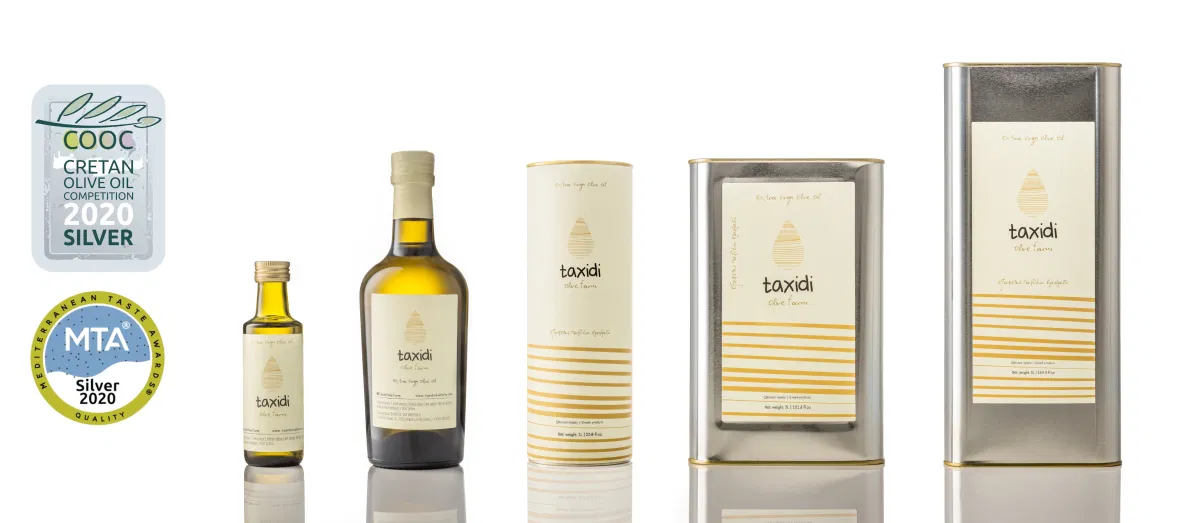
Taxidi olive farm
Contact info:
- Epar.Od. Zirou Paleokastrou, Zakros 723 00
- +30 697 605 9526
- info@taxidiolivefarm.gr
- https://taxidiolivefarm.gr/home/
Region:
Difficulty:
Rules
Description
Zakros, at the eastern edge of Crete, probably takes its name from the pre-Hellenic word “akro”, meaning ‘edge’. It was an important trading centre in Minoan times, and was the port used by the Minoans for trading throughout the Eastern Mediterranean. The ruins of a palace, found in the inner bay of Kato Zakros, are of particular archaeological significance.
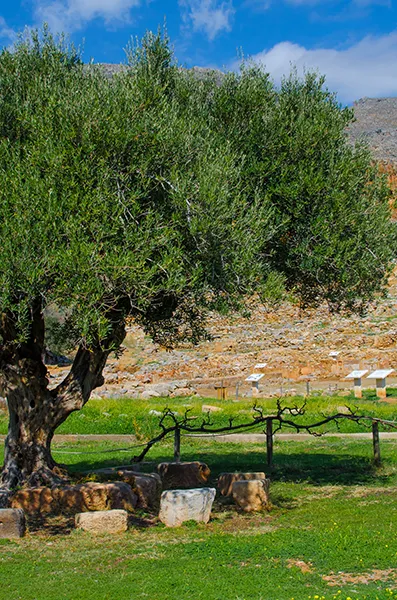
Up to the 19th century, the locals were mainly involved in animal husbandry and cereal cultivation. The olive oil produced in primitive oil presses was intended for domestic consumption. The first wave of more intensive olive farming occurred in the 1830s-1840s, as a side-effect of the growth of soap production. This first change brought about the construction of new olive presses and the planting of new olive groves. The olive oil trade developed at the beginning of the 20th century. The second major upturn occurred after the First World War, bringing extensive land clearing, use of fertilizers and spraying against olive flies. The Olive Farming Cooperative of Zakros was established in 1948, and the first modern oil factory opened its doors in 1949. New roads and the modernization of the watering networks reinforced the local rural economy, and olives became a monoculture from the 1960s onwards. Today, around 10,000 square kilometres of land, with approximately 260,000 olive trees of the ‘Koroneiki’ variety, are cultivated in the area of Zakros. Annual production reaches 850 tonnes of extra virgin olive oil with a very low acidity level, rich aromas and excellent sensory and chemical properties.
- Ideal for
- Accessible by